October 27, 2026
Dental Crowns for Cosmetic Dentistry: More Than Just Repair
By @mylesufpm626
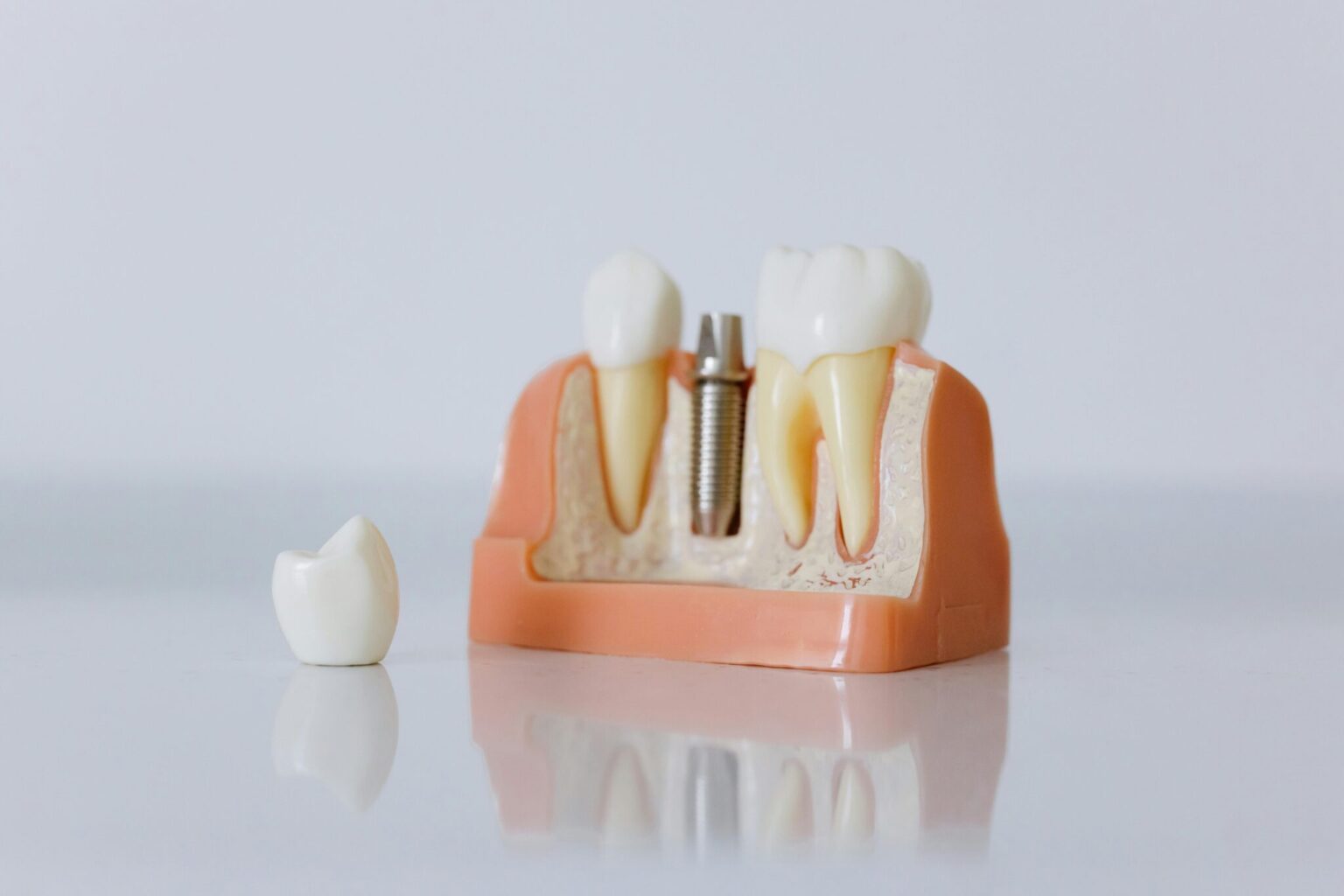
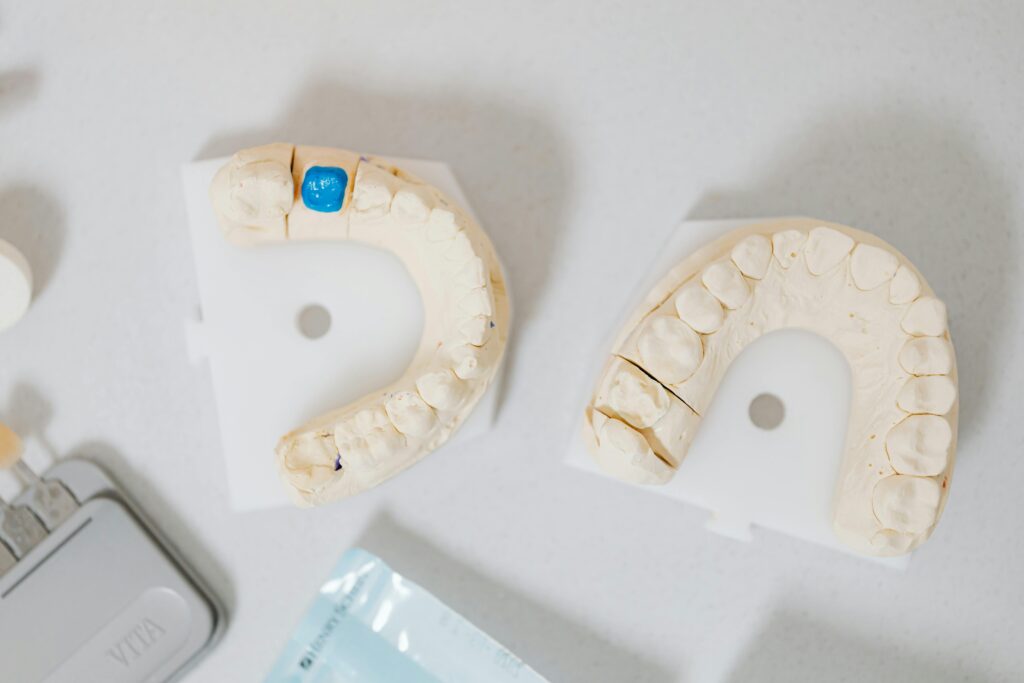
Most people hear the phrase Dental Crowns and picture a tooth that cracked, a root canal that needed a final restoration, or an older patient trying to save worn teeth. That image is not wrong, but it is incomplete. In cosmetic dentistry, crowns often occupy a more nuanced place. They can protect, certainly, but they can also reshape a smile, improve facial balance, correct long-standing asymmetry, and restore confidence in cases where whitening or bonding would never be enough.
That cosmetic role deserves a closer look, especially because crowns sit at the intersection of function and appearance. A beautiful crown that bites poorly will fail the patient. A durable crown that looks flat, opaque, or oversized will fail in a different way. The best cosmetic crown work solves both problems at once, and that requires restraint, planning, and a clear understanding of what crowns can do well, where they are excessive, and how they compare with more conservative options.
In daily practice, one of the most common misconceptions is that crowns are simply “caps” placed after damage. Patients are often surprised to learn that a crown may be recommended not because a tooth is weak, but because the tooth is heavily discolored, misshapen, undersized, rotated, or mismatched with the rest of the smile in a way that simpler treatment cannot realistically correct. At the same time, good clinicians are cautious. Just because a crown can transform a tooth does not mean it should be the first answer.
Why crowns became part of cosmetic dentistry
Cosmetic dentistry is often discussed as if it were purely about color, but aesthetics are more complex than shade charts and whitening gels. Smile design involves tooth length, width, edge position, translucency, gum symmetry, facial proportions, and how the teeth move against the lips when a person talks or laughs. Crowns allow a dentist and ceramist to control nearly all of those variables with precision.
That level of control matters in real cases. Consider a patient with one dark front tooth after childhood trauma. Whitening the rest of the teeth may make the contrast even more obvious. Composite bonding can mask some discoloration, but severe internal staining can still show through, and bonding on a single front tooth often needs more maintenance over time. A well-made ceramic crown, matched carefully to neighboring teeth, can restore harmony in a way that looks almost invisible in ordinary conversation.
Another common scenario involves teeth that are naturally small or peg-shaped, especially lateral incisors. These teeth can make an otherwise healthy smile look unfinished. Sometimes orthodontics and bonding are enough. Sometimes a crown, or a crown paired with other restorative work, gives the right contour and long-term stability. The decision depends on how much structure is available, the position of the tooth, the patient’s bite, and the level of polish and durability the case demands.
Crowns also become relevant after years of grinding. Teeth can shorten gradually until the smile loses its youthful proportions. The lower face may appear collapsed, and the teeth may look flat and aged. In those cases, cosmetic treatment is not just cosmetic. It often involves rebuilding worn teeth to a more appropriate shape and height, usually with careful attention to jaw comfort and bite dynamics. Crowns can play a central role there, but the artistry is inseparable from the mechanics.
What a cosmetic crown really changes
When people look at a smile, they rarely identify why one tooth looks out of place. They just sense that something is off. The eye notices discrepancies in shape and light reflection almost instantly. A crown gives the restorative team the ability to alter contours in three dimensions, not just cover a surface.
Length is one of the most powerful changes. A slightly short central incisor can make the smile look uneven, even when the gum line is acceptable. Width matters just as much. A tooth that is too narrow creates dark spaces and can make neighboring teeth seem bulky. Surface texture, line angles, and translucency all affect whether a restoration looks youthful, natural, and integrated. Good crown design is never just about making a tooth white. In fact, over-whitened crowns are one of the fastest ways to make dental work look artificial.
Material selection influences that result. All-ceramic crowns, especially modern lithium disilicate or layered ceramic restorations in the right case, can produce excellent esthetics because they interact with light more like enamel. Zirconia has improved tremendously and can be very esthetic, though the ideal choice depends on location, bite force, available space, and whether the tooth underneath is dark. There is no universal “best crown.” There is only the best material for a specific tooth in a specific mouth.
Patients often focus on the mirror test, which is understandable, but the feel of a crown matters too. A front tooth that looks beautiful and catches the lower lip awkwardly will never feel normal. A back crown that is half a millimeter high can make the whole bite feel strange. Cosmetic success depends on those details, many of which are invisible to anyone except the patient wearing the crown every day.
When crowns make sense, and when they do not
One of the more difficult parts of cosmetic dentistry is knowing when not to use a crown. Crowns require reduction of tooth structure. Even with conservative preparation, they are more invasive than whitening, enamel contouring, bonding, or veneers in the right case. That fact should shape treatment planning from the beginning.
If a patient has healthy enamel, minor spacing, and good tooth color, crowns are often excessive. Orthodontics, bonding, or porcelain veneers may preserve more natural tooth. If the problem is mainly alignment, moving the teeth usually gives a better biological result than cutting them down to fake straightness. There are cases where patients ask for “instant straight teeth” and are disappointed to hear that crowns are not the Dental Crowns responsible answer. A good cosmetic dentist is willing to lose a case rather than overtreat.
On the other hand, there are situations where crowns are clearly justified. Teeth with large existing fillings, fractures, root canal treatment, severe wear, enamel defects, or significant shape discrepancies may genuinely need full coverage to achieve a predictable and lasting result. In those cases, the cosmetic benefit is substantial, but so is the structural logic behind the recommendation.
A practical way to think about it is this: if the tooth already needs major restoration, a crown can be a strong cosmetic tool. If the tooth is mostly healthy and the concern is modest, a less invasive option often deserves priority.
The difference between a pretty crown and a believable one
Some restorations look attractive in isolation and still fail aesthetically once they are placed. The reason is usually that they do not belong to the face. Natural teeth are not identical piano keys. They have subtle asymmetry, small variations in value and translucency, and contours that reflect age, sex, personality, and facial features. A believable smile respects those patterns.
The best cosmetic crown work often goes unnoticed. That is not because it is bland. It is because the shade, shape, and finish are calibrated so carefully that the eye accepts them without resistance. A ceramist may soften an incisal edge slightly to match the neighboring tooth. The dentist may request faint vertical texture so the crown does not look too smooth under direct light. Tiny decisions like those separate routine lab work from truly aesthetic dentistry.
Photography helps enormously here. Close-up images, retracted views, shade photos in natural light, and videos of the patient speaking provide information that a single impression never captures. In more demanding cases, a custom shade appointment with the ceramist is worth the effort. Patients usually appreciate this level of precision once they understand that matching one front tooth is not simply a matter of picking “A1” or “B1” from a tab.
Temporary crowns are another overlooked part of the process. In cosmetic cases, they are not just placeholders. They let the patient test shape, speech, lip support, and general appearance before the final ceramic is made. More than one excellent final result began with a patient saying, “The temporary feels a little too square,” or “I love the length, but I want the edge softer.” Those comments are not cosmetic trivia. They guide the final design.
Front teeth demand a different standard
A crown on a molar and a crown on a central incisor are different projects, even when the laboratory bill says otherwise. Back teeth need strength, proper contact, and a stable bite. Front teeth need all of that plus emotional credibility. People identify with their front teeth in a deeply personal way. Small changes can affect how they smile in photographs, how they pronounce certain sounds, and how comfortable they feel in close conversation.
This is where digital smile design, wax-ups, and mock-ups can be useful, provided they are used thoughtfully. Technology can help preview shapes and proportions, but it cannot replace judgment. Real smiles move. Lips cover and reveal teeth at different moments. The face is not static. A design that looks dramatic on a monitor may feel forced in person.
In my experience, patients are happiest when they are involved in the planning, but not burdened by too many technical choices. They do not need a lecture on ceramic opacity values. They do need a clear explanation of what can realistically be changed, what cannot, and where compromise enters the picture. If one front tooth is being crowned next to a natural tooth that has years of wear and character, the crown should probably not look brand new in a sterile, showroom sense. It should look right.
Crowns compared with veneers, bonding, and whitening
Cosmetic dentistry works best when treatments are chosen for fit, not popularity. Crowns are sometimes grouped with veneers because both can improve appearance dramatically, but they are not interchangeable. Veneers usually cover the front surface and preserve more tooth structure when the case is suitable. Crowns surround the entire tooth and are better suited to teeth that need more support or more extensive reshaping.
Bonding has its own strengths. It can be conservative, affordable, and highly effective for chips, small gaps, and contour improvements. I have seen elegant results from well-executed bonding, especially in younger patients who are not ideal candidates for ceramic restorations yet. But bonding is generally more prone to staining, wear, and edge chipping than a high-quality ceramic restoration. That does not make it inferior. It means the maintenance pattern is different.
Whitening is even more misunderstood. It can improve a smile beautifully, but it does not change shape, alignment, translucency defects, or old restorations. Many patients benefit from whitening before crown treatment because it allows the final restorations to be matched to a lighter natural baseline. Still, whitening alone cannot fix every aesthetic problem, and it often reveals where a crown or veneer will stand out if not replaced.
The right plan may combine treatments. A patient might whiten first, complete orthodontic alignment, and then place one or two crowns only where structural or aesthetic issues remain. Those blended plans often produce the most natural result because they rely on conservative steps first and reserve full coverage for the teeth that truly need it.
Longevity, maintenance, and the part patients rarely hear enough about
Cosmetic discussions sometimes focus so heavily on the reveal that they skip the years afterward. Crowns are durable, but not permanent in the absolute sense. A well-made crown in a healthy mouth can last many years, often well over a decade, but longevity depends on oral hygiene, bite forces, material choice, gum health, and whether the patient grinds or clenches.
The margin where the crown meets the tooth is particularly important. Even the best ceramic cannot save a crown from recurrent decay if plaque control is poor. Patients sometimes assume that because the visible part is ceramic, the whole tooth is somehow protected from future problems. It is not. The underlying tooth still matters, and the gum tissue around it matters just as much.
Nightguards deserve mention here. For patients with bruxism, especially those who have invested in cosmetic front-tooth work, a guard is often part of the treatment, not an optional accessory. It protects the restorations and the natural teeth alike. Skipping it is one of those avoidable decisions that can become expensive later.
Maintenance also includes realistic expectations about color stability. Ceramic itself is relatively stable, but neighboring natural teeth can change over time with coffee, tea, tobacco, aging, and whitening habits. A crown that matched beautifully on day one may look slightly different years later if the surrounding teeth darken or lighten. This is not usually a flaw in the crown. It is a fact of biology and time.
The emotional side of crown treatment
It is easy to discuss crowns in terms of prep design and ceramic systems, but patients experience them emotionally. Someone who has hidden a dark front tooth for twenty years is not just buying a restoration. They are buying relief. Someone with severe wear may feel older than they are every time they smile. Someone with a misshapen tooth may have spent years angling their head in photos to mask it.
That emotional context should never be manipulated, but it should be respected. Cosmetic dentistry done well can be genuinely life-improving, not because it creates perfection, but because it removes a distraction the patient has carried for years. I have seen patients become more expressive, less guarded, and more willing to laugh freely after crown treatment that restored a single visible tooth. The technical work mattered, but so did the listening that came before it.
This is also why communication matters when the answer is no, or not yet. If gum disease is active, if the bite is unstable, if orthodontics should come first, or if the patient is chasing an unrealistic image from social media, the ethical move is to slow things down. Crowns can deliver remarkable cosmetic changes, but they are not costume jewelry. They are medical restorations with aesthetic consequences.
What to ask before moving forward
A patient considering Dental Crowns for cosmetic reasons does not need to become an expert, but a few practical questions can reveal a lot about the quality of planning. Ask what alternatives exist and why they are not preferred. Ask whether the goal is mainly structural, aesthetic, or both. Ask to see similar cases, especially if the work involves front teeth. Ask what the temporary phase will be used to evaluate. Ask how grinding, gum health, or existing bite issues affect the plan.
The answers should sound specific, not scripted. “It depends on your enamel thickness,” “Your tooth is too dark for bonding to predictably mask,” or “I would rather move that tooth orthodontically than cut it for a crown” are the kinds of responses that suggest individualized thinking. Cosmetic dentistry is at its best when it is precise, conservative where possible, and honest about trade-offs.
More than repair, but never just decoration
The phrase “more than just repair” captures the promise of crowns, but only if it is paired with discipline. A crown can rescue a broken tooth and transform a smile at the same time. It can correct color, shape, proportion, and strength in a single restoration. It can also be overused, overdesigned, or made to look conspicuously artificial when speed or salesmanship takes precedence over judgment.
That balance is what makes crowns such a significant tool in cosmetic dentistry. They are neither a last resort nor a beauty shortcut. They are a sophisticated option for cases where appearance and structure need to be rebuilt together. When chosen well, designed carefully, and maintained properly, Dental Crowns do something remarkable. They stop looking like dentistry and start feeling like the tooth should have looked all along.
Omni Dental Specialty
1690 E Gonzales Rd, Oxnard, CA 93036, United States
+1 805-410-9603
FAQ About Dental Crowns
How long do crowns last on teeth?
A dental crown often lasts about five to fifteen years, although some last longer. Material, the underlying tooth, oral hygiene and grinding habits affect longevity. Regular dental examinations help identify wear, decay or a loose crown; no lifespan is guaranteed.
How much does a tooth crown cost?
There is no single price for every crown. Material, laboratory work, the condition of the tooth and any additional treatment affect the fee. Ask for a written estimate and confirm your insurance benefits, exclusions and out-of-pocket costs before treatment.
What is the downside of crowns on teeth?
A conventional crown usually requires irreversible removal of some tooth structure. Possible problems include sensitivity, chipping, loosening and decay at the crown margin; some teeth later need root canal treatment. Discuss your tooth's condition, material choices and suitable alternatives with your dentist.
❧