October 27, 2026
How to Prevent Damage to Your Dental Crowns
By @mylesufpm626
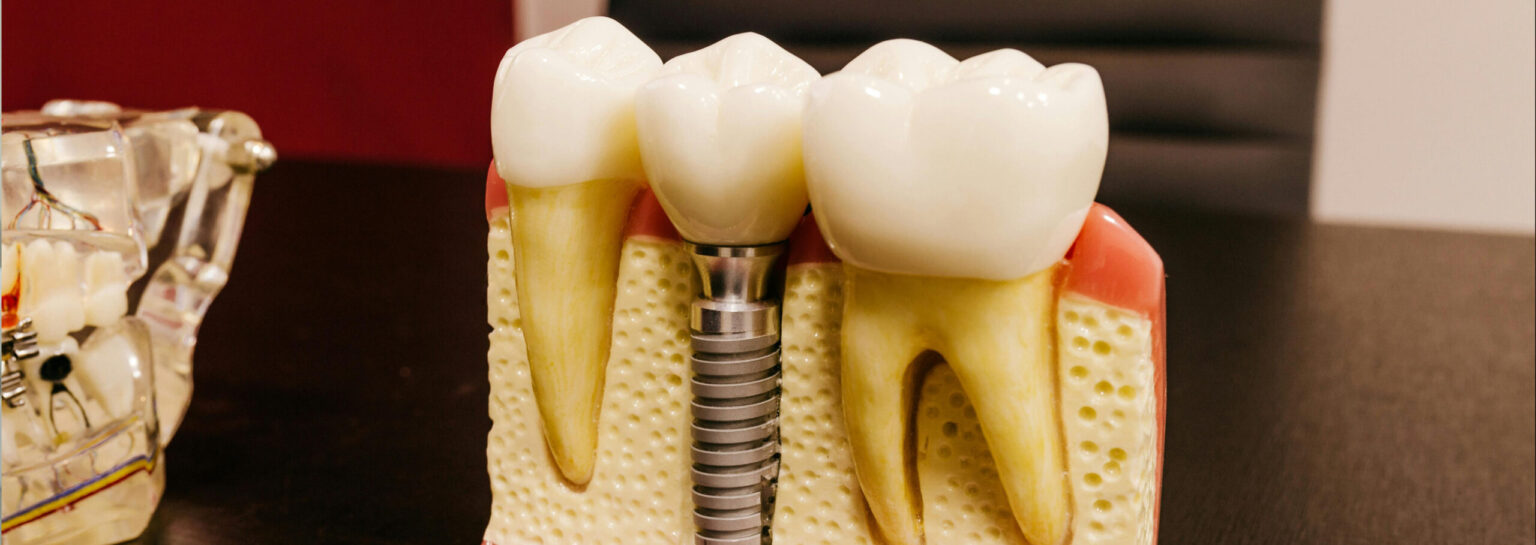
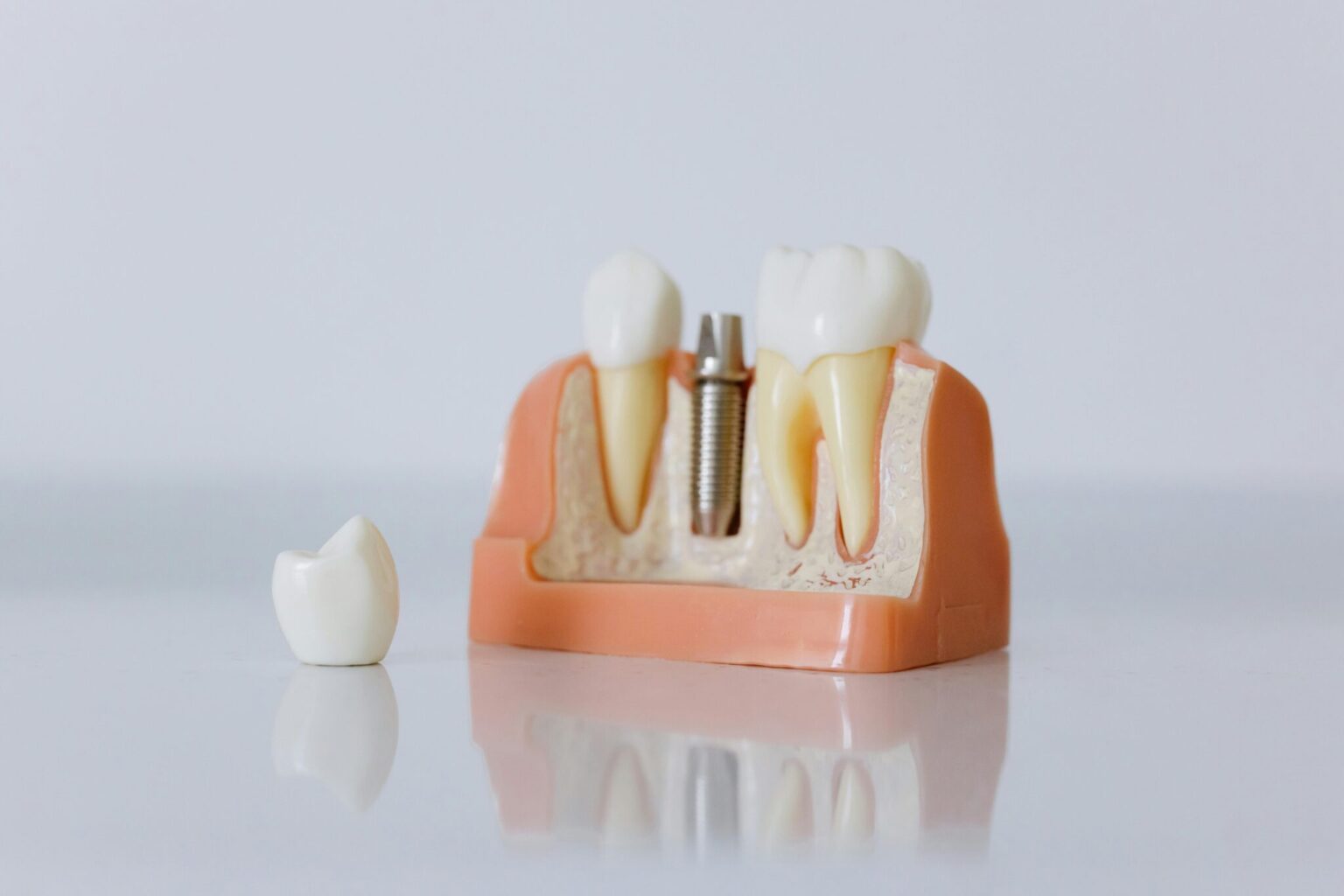
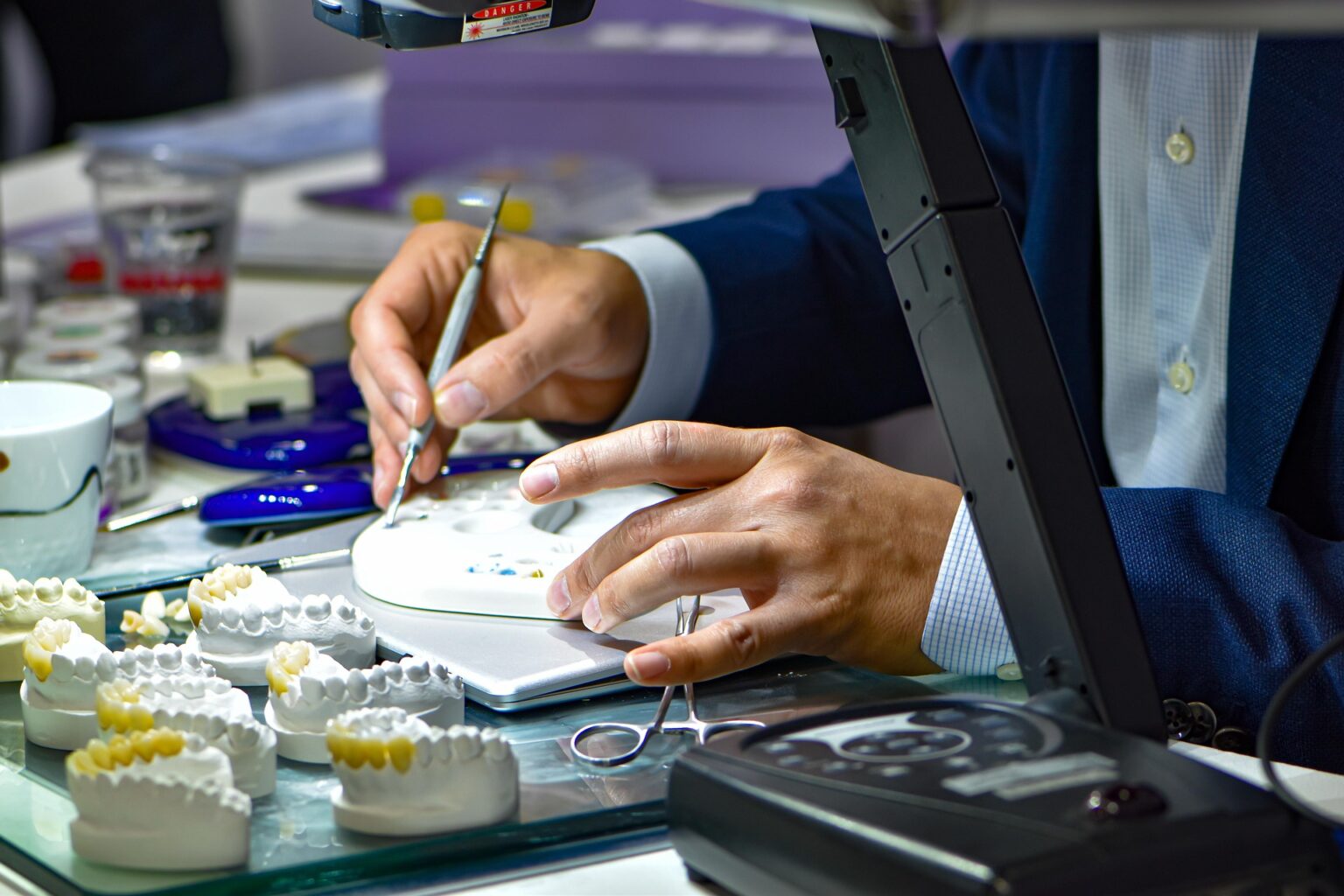
Dental crowns do a quiet, demanding job. They absorb thousands of chewing cycles each day, tolerate hot coffee followed by ice water, and sit in an environment that is constantly wet, acidic, and full of bacteria. When a crown is well made and well cared for, it can serve reliably for many years. When it is stressed in the wrong ways, problems often start small, a faint crack line, a loosened edge, a bit of tenderness when biting, and then become expensive and inconvenient.
Most crown failures are not sudden acts of bad luck. They tend to come from a pattern of pressure, habits, and neglect that builds over time. That is useful news, because it means a lot of damage is preventable. Good prevention is not complicated, but it does require understanding what actually harms crowns and what simply sounds concerning but usually is not.
What a crown can handle, and what it cannot
A crown is a protective cap placed over a damaged, heavily filled, root canal treated, or misshapen tooth. Depending on the material, it may be all porcelain, zirconia, metal fused to porcelain, or full metal. Each material has strengths and trade-offs. Zirconia is tough and popular for back teeth. Porcelain often gives the most natural appearance, especially toward the front. Metal crowns can last a very long time, though many people prefer tooth-colored options.
Even the strongest crown is not indestructible. It still depends on the tooth underneath, the cement holding it in place, the bite forces acting on it, and the health of the gum around it. Patients are often surprised by that. They hear "crown" and assume the tooth is now armored against anything. In reality, the crown protects a vulnerable tooth, but it does not turn it into a piece of machine hardware.
Chewing normal foods should not damage a properly fitted crown. Neither should brushing, flossing, speaking, or drinking hot and cold beverages within reason. The trouble usually comes from forces that are too concentrated, too repetitive, or badly timed. Grinding in sleep is a classic example. So is using your teeth like tools to open packaging, crack shells, or hold hairpins and pen caps. Those habits may seem harmless because nothing dramatic happens the first dozen times. Then one day, a corner chips or the crown loosens.
The habits that break crowns most often
If you ask dentists what shortens crown lifespan fastest, the same culprits come up again and again. Night grinding is high on the list. Many people clench or grind without knowing it. Their partner hears it, or they wake with a sore jaw, flattened teeth, or tension headaches. A crown under grinding pressure experiences repeated side-to-side stress, not just the up-and-down forces it is meant to handle. That can chip porcelain, create microfractures, or stress the cement seal.
Sticky foods are another common issue, especially for older crowns or crowns on teeth with less ideal retention. Caramels, taffy, very gummy candies, and even certain protein bars can pull at a crown edge. A well bonded crown should not simply pop off from eating, but real life is messier than textbook expectations. If the underlying tooth has changed, the cement has degraded, or decay has started at the margin, sticky foods can be the final straw.
Hard objects create a different kind of problem. Ice chewing is particularly rough on crowns because it combines hardness with cold. Nuts, popcorn kernels, fruit pits, and hard candies can generate concentrated impact on one small area. I have seen patients who were meticulous brushers but habitual ice chewers, and their crowns showed the wear of that single habit more than anything else in their routine.
There is also the issue of uneven bite pressure. A crown that hits too early when you close your teeth may feel only slightly "high" at first. Some people adapt and stop noticing it. That adaptation is not always benign. Excess pressure on one tooth can lead to soreness, looseness, chipping, or even fracture of the underlying tooth. If a new crown feels off when you bite, even subtly, it is worth having it adjusted.
Daily care matters more than most people expect
One of the biggest misconceptions about Dental Crowns is that they do not need special attention because the outer surface cannot decay. The porcelain or zirconia itself will not get a cavity, but the tooth structure at the edge of the crown absolutely can. Decay often starts where the crown margin meets natural tooth, especially if plaque accumulates there consistently. That is one of the most common reasons an otherwise intact crown needs replacement.
The practical goal is to keep that crown-to-tooth junction clean and stable. Brushing twice a day with a soft-bristled brush is still the foundation. Technique matters more than pressure. Aggressive scrubbing does not clean better, and over time it can irritate the gums and contribute to recession, exposing crown margins or root surfaces. Small circular motions along the gumline are more effective and much kinder to the tissues.
Flossing is just as important, but it should be done thoughtfully. Some people snap floss down hard between teeth, which can irritate gums and occasionally dislodge a temporary crown. With a permanent crown, the better approach is to guide the floss gently through the contact, hug the tooth surface, and slide it out. Water flossers can also help around crowns, bridges, and areas where hands or dexterity make string floss difficult.
If you use whitening toothpaste, pay attention to texture. Some are mildly abrasive, which is usually fine, but a very gritty paste used with a heavy hand can dull polished surfaces over time. That will not usually destroy a crown, but it can make porcelain look less lustrous and increase stain accumulation on nearby natural teeth, creating a mismatch.
Why the gums around a crown deserve equal attention
A crown can be beautifully made and still fail early if the surrounding gums are inflamed. Bleeding gums are not just a soft tissue problem. Chronic inflammation changes the way the margin of the crown sits in the mouth. Swollen tissue traps more plaque. Recession can expose the edge of the crown or the root below it. Once the seal is compromised, bacteria have an easier path toward the underlying tooth.
Patients often focus on the visible part of the crown and miss the biological support system around it. A crown on a molar with deep plaque buildup at the gumline is at far greater risk than a crown that is a few shades imperfect but impeccably clean. This is especially true for crowns placed after root canal treatment, because those teeth are often more brittle than untouched teeth. If recurrent decay or gum disease weakens the remaining structure, the crown has less to hold onto.
Regular cleanings help because hygienists can remove hardened deposits that brushing cannot. They can also spot early warning signs such as inflammation around one margin, food trapping, or floss shredding in a specific contact area. Those subtle clues often show up before pain does.
Foods and drinks that deserve a second thought
It is rarely necessary to follow a rigid "crown diet," but a little judgment goes a long way. The issue is not that your crown cannot handle normal eating. The issue is that some foods repeatedly create the exact kinds of stress that crowns dislike.
Here is where caution pays off most:
- Very hard items such as ice, jawbreakers, unpopped popcorn kernels, and hard nut shells.
- Sticky foods like caramels, taffy, and extra-chewy candies that tug at crown edges.
- Frequent acidic snacks and drinks, including soda and citrus-heavy beverages, which can increase decay risk at crown margins.
- Using front teeth to tear open packets, bite fingernails, or hold objects.
- Alternating extreme temperatures quickly, such as scalding drinks followed immediately by ice water, if a crowned tooth is already sensitive.
Acid deserves a special mention because it is less obvious than cracking a hard candy. Acid does not usually damage the crown material directly in a dramatic way, but it can soften and challenge the surrounding tooth structure and increase cavity risk near the margins. Patients with dry mouth, frequent reflux, or a habit of sipping acidic drinks throughout the day are often more vulnerable than they realize.
Timing matters too. Nursing a soft drink for two hours is worse for margin health than drinking it with a meal and moving on. Saliva needs a chance to neutralize acids. If you have a crown and a high-snack, high-sip routine, the problem may not show up for a while, but it tends to catch up.
Night guards are not optional for some people
There are patients who can do almost everything right and still break crowns because they grind fiercely in their sleep. For them, a night guard is not an accessory. It is protection.
A custom guard spreads force more evenly and reduces the repeated strain that chips porcelain and overloads the underlying tooth. Store-bought guards are better than nothing in some situations, but they are bulkier, fit less precisely, and may not control force as predictably. If you already have multiple crowns, a history of fractures, or noticeable jaw tension on waking, it is worth asking your dentist whether a custom appliance would materially lower your risk.
One of the more frustrating patterns in practice is the patient who replaces a cracked crown, only to crack the new one within a year because the grinding issue was never addressed. The crown was not necessarily defective. It was simply placed back into the same hostile environment.
Stress can play a role here, though not every grinder is under obvious stress. Some people clench at the gym, during long commutes, or while concentrating at a computer. Daytime clenching is often quieter than nighttime grinding but still damaging. If you catch yourself pressing your teeth together at work, train yourself to keep your lips closed and teeth slightly apart when not eating. That small change can reduce cumulative load.
When a crown feels fine, but trouble is starting anyway
Crown problems do not always hurt early. In fact, many do not. A margin can leak, decay can start underneath, or a crack can develop in the supporting tooth long before severe pain appears. That is why routine exams matter even when everything seems normal.
Dentists often find developing issues through a combination of symptoms, x-rays, and what they see clinically. A dark line at the edge of an older crown, tenderness on release after biting, floss catching in one spot, or a crown that has shifted subtly in relation to its neighbor can all point to problems brewing underneath. Patients rarely notice these changes on their own.
The age of the crown also matters. Many crowns last 10 to 15 years or longer, but longevity varies widely with material, placement, bite forces, oral hygiene, and the amount of remaining tooth structure. A crown that has been in service for well over a decade deserves careful monitoring, even if it has caused no trouble. Some last 20 years. Some need replacement much sooner. There is no honest one-size-fits-all number.
What to do if a crown chips, loosens, or comes off
The right response depends on the type and extent of the damage. A tiny chip in porcelain that does not affect the bite may be polishable or simply monitored. A crown that feels loose, rocks slightly, or comes off completely should be seen promptly. Do not wait weeks hoping it will settle down.
If a crown comes off, keep it clean and store it safely. Do not scrub the inside aggressively. In some cases, the crown can be recemented if it is intact and the underlying tooth is Dental Crowns sound. In other cases, decay, fracture, or fit issues make replacement the safer option. Over-the-counter dental cement can serve as a short-term measure in limited situations, but it is not a substitute for proper evaluation, and using the wrong amount or seating it poorly can complicate the repair.
Pain is not the only reason to seek care. An exposed prepared tooth can shift slightly, become sensitive, or collect bacteria quickly. The sooner it is assessed, the better the odds of a simpler fix.
Watch for these warning signs between dental visits:
- A crown that suddenly feels taller, loose, or different when you bite.
- Pain when chewing, especially on release rather than on pressure.
- A persistent bad taste or odor around one specific tooth.
- Bleeding or swelling at the gumline around a crowned tooth.
- Floss shredding repeatedly in the same area near the crown.
These signs do not always mean the crown has failed, but they do mean something deserves attention.
Fit, design, and material choices influence durability
Not all crown problems are caused by patient habits. The design and fit of the crown matter immensely. A crown with excellent contours is easier to clean and less likely to trap food. A crown that is too bulky near the gums can encourage plaque retention. A poorly adjusted bite can overload one cusp. Material selection also matters. Porcelain layered for esthetics can be more vulnerable to chipping than a monolithic zirconia crown in a heavy grinder, though esthetic needs may favor porcelain in visible areas.
That is where judgment comes in. The best crown for a front tooth in a patient with a light bite is not always the best crown for a back molar in someone who clenches nightly. Good treatment planning matches the material and design to the actual stresses of that mouth. If you have fractured crowns before, it is worth discussing whether the original material choice is still the best one.
There are also cases where a crown keeps having issues because the real problem is the tooth itself. A tooth with a vertical crack, minimal remaining structure, or compromised root support may not be a good long-term candidate for repeated recementation or remake after remake. Crowns are excellent restorations, but they cannot rescue every situation indefinitely.
Small behavior changes that protect crowns for years
Most crown preservation happens in ordinary moments, not in the dental chair. It is the choice not to chew ice while driving. It is replacing a frayed night guard instead of putting it off for another year. It is coming back when a bite feels slightly off after a new crown, rather than assuming you will "get used to it." It is cleaning well at the gumline on nights when you are tired.
Patients sometimes Dental Crowns ask for one perfect rule. There is no single rule, but there is a pattern. Crowns last best when they are exposed to clean conditions, balanced bite forces, and realistic use. They fail faster when they carry too much force, sit in chronic plaque accumulation, or are asked to do jobs teeth were never meant to do.
I have seen older crowns remain stable for many years in patients with modest means and very simple routines because those patients were consistent. Soft brush, daily cleaning between teeth, regular maintenance, no tool-like use of teeth, prompt attention when something changed. I have also seen premium crowns fail early in patients who ground heavily, skipped visits, and chewed hard objects out of habit. The restoration matters, but the environment around it matters just as much.
The role of regular follow-up
A crown should not disappear from your attention the moment it is cemented. It becomes part of your long-term maintenance plan. That does not mean constant worry. It means routine follow-up and sensible awareness.
At checkups, ask direct questions if you have concerns. Is the bite balanced? Do the margins look intact? Is there any sign of decay, gum inflammation, or wear from grinding? If you have several crowns, photos or periodic x-rays can help compare changes over time. For patients with a history of decay around restorations, dry mouth, or high acid exposure, shorter recall intervals may make sense.
Preventing damage to Dental Crowns is not about treating them delicately. It is about respecting their limits. Eat normally, clean thoroughly, protect against grinding, and act early when something feels different. That approach is neither dramatic nor complicated. It is simply what tends to work, year after year, in real mouths under real conditions.
Omni Dental Specialty
1690 E Gonzales Rd, Oxnard, CA 93036, United States
+1 805-410-9603
FAQ About Dental Crowns
How long do crowns last on teeth?
A dental crown often lasts about five to fifteen years, although some last longer. Material, the underlying tooth, oral hygiene and grinding habits affect longevity. Regular dental examinations help identify wear, decay or a loose crown; no lifespan is guaranteed.
How much does a tooth crown cost?
There is no single price for every crown. Material, laboratory work, the condition of the tooth and any additional treatment affect the fee. Ask for a written estimate and confirm your insurance benefits, exclusions and out-of-pocket costs before treatment.
What is the downside of crowns on teeth?
A conventional crown usually requires irreversible removal of some tooth structure. Possible problems include sensitivity, chipping, loosening and decay at the crown margin; some teeth later need root canal treatment. Discuss your tooth's condition, material choices and suitable alternatives with your dentist.
❧