October 27, 2026
Metal vs Ceramic Dental Crowns: Which Should You Choose?
By @mylesufpm626
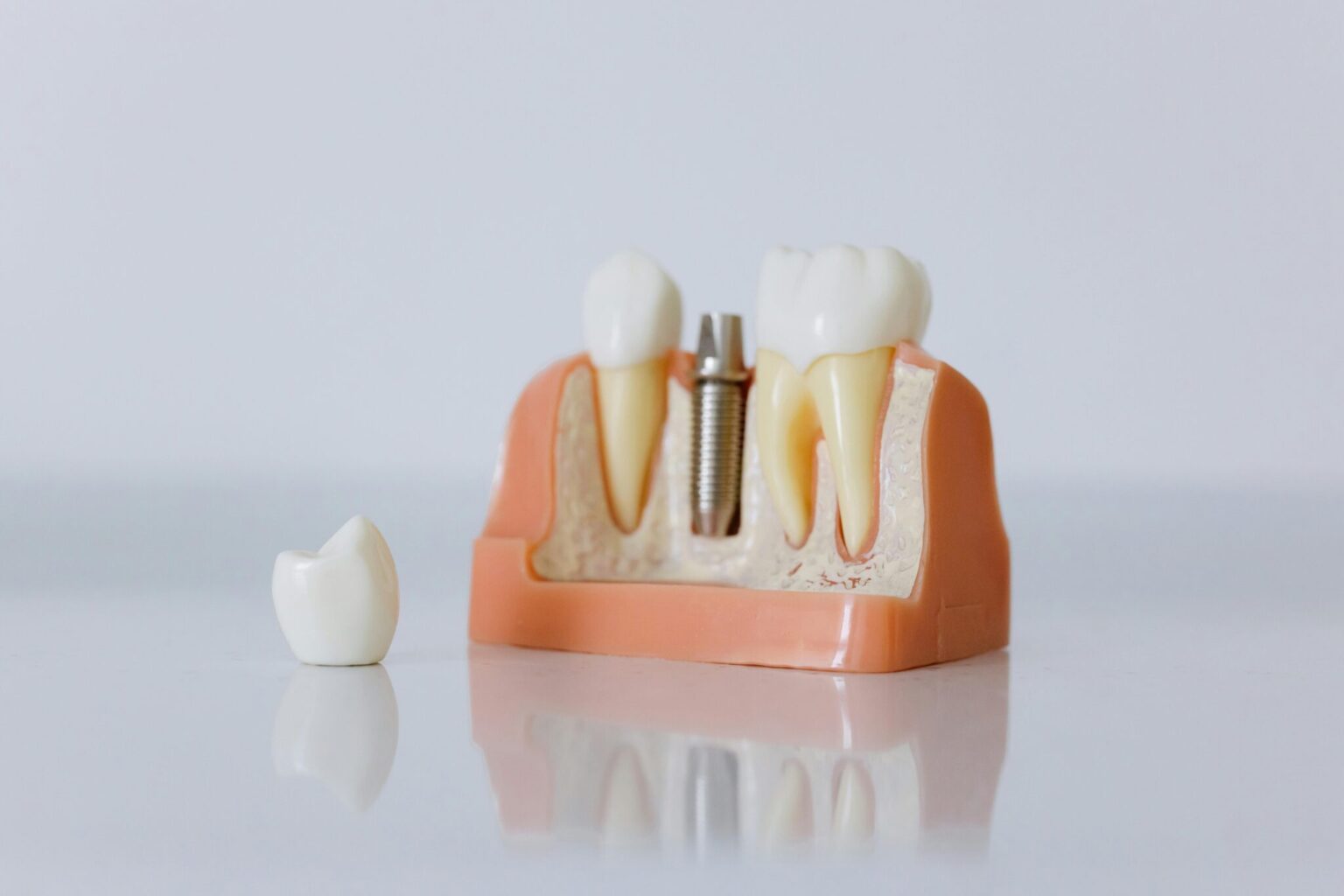
When a tooth has cracked, worn down, undergone root canal treatment, or lost too much structure to hold a filling reliably, a crown often becomes the practical fix. Patients usually arrive at the same question within a few minutes of hearing that recommendation: should the crown be metal or ceramic?
It sounds like a simple either-or choice, but it rarely is. The right answer depends on where the tooth sits in the mouth, how heavily you bite, whether you grind your teeth at night, how much natural tooth remains, what matters most to you cosmetically, and how long you want the restoration to last before it may need replacement. Cost matters too, though not always in the way people expect.
Dentistry has moved far beyond the days when every crown looked metallic and obvious. At the same time, the old-fashioned metal crown still has a reputation for longevity that is not just nostalgia. Each material solves a slightly different problem. A good treatment decision comes from understanding those trade-offs clearly, not from assuming newer always means better or that stronger always means safer.
What a crown is really doing
A dental crown is a full-coverage restoration that caps the visible part of a damaged tooth. That sounds straightforward, but the job is demanding. A crown must handle hundreds of pounds of intermittent chewing force over years, sometimes decades. It must fit tightly enough at the edge to reduce the risk of leakage and decay. It has to feel natural against the opposing teeth and neighboring teeth. If it sits too high, the tooth may become sore. If it sits too low, food packs around it and the bite changes.
The material matters because it affects all of those functions. Metal crowns have long been valued for strength and predictability, especially on molars. Ceramic crowns, especially modern all-ceramic systems, have transformed what is possible esthetically while still providing substantial durability. Neither is universally superior. Each performs best in the right setting.
Why this choice matters more than many people realize
Patients often focus on how the crown will look on the day it is cemented. Dentists have to think beyond that first impression. A crown is not a decorative shell. It changes how force travels through the tooth and into the root. It affects how much healthy tooth needs to be trimmed away during preparation. It influences wear on the opposing tooth. It can make oral hygiene easier or harder depending on contour and margin design.
Take a lower first molar in someone who clenches at work and grinds at night. That person may break a beautiful ceramic crown if the bite is heavy and the design is thin. Now take an upper lateral incisor in a patient with a high smile line. A metal crown in that location might be functionally excellent but cosmetically unacceptable. The best crown is the one that fits the biology, mechanics, and the patient’s priorities at the same time.
Metal crowns, durable and forgiving
Metal crowns are usually made from gold alloys or base metal alloys such as nickel-chromium or cobalt-chromium. Full gold crowns are less common now than they used to be, mostly because many patients do not want the appearance and the metal cost can be significant. Even so, from a purely functional standpoint, a well-made gold crown remains one of the most reliable restorations in dentistry.
What makes metal so dependable is not just brute strength. It is also the way metal behaves under pressure. Metal can be cast very accurately and can function in thinner sections than ceramic. That means the dentist often needs to remove less natural tooth to create enough room for the crown. Preserving tooth structure matters. The more intact tooth you keep, the better the long-term prognosis tends to be.
Metal also wears in a relatively kind way against opposing teeth when polished properly, especially gold alloys. That point surprises a lot of patients. They assume something hard must be more abrasive, but the interaction between materials is more nuanced. A smooth gold crown can be gentler to the opposing enamel than some ceramics with roughened surfaces.
The downside is obvious. Full metal crowns do not look like natural teeth. On back molars, especially those that barely show when you speak or smile, many patients accept that trade-off. On premolars and front teeth, most do not.
There are also patients with metal sensitivities, though true allergies to the specific alloy used are less common than people think. Nickel-containing alloys deserve more caution in anyone with a known nickel allergy. This is a conversation worth having before the crown is made, not after.
Ceramic crowns, better esthetics with more variety than people expect
Ceramic crowns are not one single thing. The term covers several materials, including porcelain-fused-to-zirconia systems, lithium disilicate, layered porcelains, and monolithic zirconia. The differences matter.
Some ceramics prioritize beauty above all else, with excellent translucency and subtle color matching. These are often used on front teeth where natural light transmission is critical. Others, especially monolithic zirconia, are chosen more for strength and fracture resistance. A modern zirconia crown Dental Crowns on a molar is a very different restoration from the fragile porcelain crowns many people remember hearing about years ago.
The strength story with ceramics has improved dramatically, but ceramics still have limits. They are generally more brittle than metals. They resist compression well, but they do not bend the way metal can. Design, thickness, bite adjustment, and polishing become extremely important. A ceramic crown that is too thin in a high-stress area or left with a rough adjusted surface is more likely to chip, crack, or wear the opposing tooth.
Where ceramic clearly wins is appearance. A good ceramic crown can disappear into a smile. There is no dark metallic reflection, no opaque cast, and no concern about a metal edge showing if the gums recede slightly over time. For many people, especially Omni Dental Specialty Dental Crowns in the visible zone, that benefit is decisive.
The real comparison, where each material tends to shine
The most honest way to compare metal and ceramic crowns is not by naming a single winner, but by looking at what each material tends to do better in clinical practice.
- Metal crowns usually require less tooth reduction, tolerate heavy biting forces well, and have a long track record on molars.
- Ceramic crowns usually offer a more natural appearance, especially on front teeth and visible premolars.
- Metal often causes less wear to opposing teeth when highly polished, while some ceramics can be abrasive if not finished properly.
- Ceramic gives more flexibility for color matching, translucency, and blending with nearby natural teeth.
- Metal can be the safer choice in very limited space or for severe grinders, while ceramic often suits patients who place esthetics first.
Even within those generalizations, exceptions are common. A monolithic zirconia molar crown may outperform a poorly chosen metal alloy in some situations. A gold crown may outlast a ceramic crown by many years in a patient with extreme bite force. Clinical success depends on the material, yes, but also on preparation design, lab quality, and bite management.
Tooth location changes the answer
If I had to pick the single factor that shifts this decision most often, it would be location.
Back molars live in the harshest environment. They absorb major chewing forces and often have less visible exposure when you smile. This is where full metal crowns retain a strong case, especially for second molars or patients who are unconcerned about showing metal. A lower second molar with a short clinical crown, limited clearance, and a history of fracture is almost a textbook metal-crown tooth.
Premolars sit in a gray zone. They carry substantial force but are often visible in broad smiles. Some patients are comfortable with metal on the farthest premolars but not on the first premolars. In this region, strong ceramics, especially zirconia, often become the compromise choice.
Front teeth usually favor ceramic. The reason is not vanity. Front teeth are judged at conversational distance, under changing light, next to natural enamel that reflects and transmits light in complex ways. A metal crown in this area can look flat or obvious unless it is hidden under porcelain, and even then some older porcelain-fused-to-metal crowns develop a gray line near the gum over time. Modern all-ceramic crowns generally provide the best cosmetic result here.
Bite force, clenching, and grinding can overrule cosmetics
A patient’s bite habits can completely change the recommendation. Some people chip fillings repeatedly, flatten the edges of their front teeth, or wake with jaw tension from nocturnal grinding. For them, the strongest-looking esthetic option is not always the wisest one.
Ceramic crowns can absolutely work in grinders, but only with care. Material selection matters. So does crown thickness, occlusal design, and usually a night guard. Without those protections, the risk of ceramic fracture rises. In severe cases, a dentist may recommend metal on the least visible teeth simply because the failure rate would likely be lower.
I have seen patients insist on all-ceramic crowns throughout the back of the mouth, only to return a few years later with a chipped cusp and obvious wear facets from untreated bruxism. The material did not fail in isolation. The treatment plan failed to account for behavior. That distinction matters because it affects how likely the replacement is to last.
How much tooth needs to be removed
This is one of the least glamorous but most important parts of the discussion. Crowns need physical space. If the dentist does not reduce enough tooth, the lab has to make the crown too thin or overcontoured. Both lead to trouble.
Metal can often succeed with less thickness than ceramic. That means less drilling into the tooth, which is particularly valuable when the nerve is already close to the surface or the tooth has large prior fillings. Preserving tooth structure helps reduce the chance of postoperative sensitivity and gives the tooth more long-term strength.
Ceramic usually needs more room, though the exact amount depends on the type. Some high-strength ceramics can be made relatively thin, but esthetic ceramics often need space for both strength and lifelike contour. On a tooth that is already heavily restored, this may not be a major issue. On a small tooth with minimal remaining structure, every millimeter counts.
Longevity is about more than the material
Patients often ask how long crowns last. The safest honest answer is that well-made crowns can last many years, commonly ten to fifteen or more, but there is no expiration date and no guarantee. Some fail much sooner, others serve for decades.
Material influences lifespan, but not as much as people think. Marginal fit, cementation, oral hygiene, the health of the surrounding gums, and the condition of the underlying tooth all play major roles. A crown does not make the tooth immune to decay. If plaque collects at the edge and cleaning is poor, recurrent decay can undermine the tooth under either a metal or ceramic crown.
Metal crowns have an advantage in toughness and fracture resistance. Ceramic crowns have improved immensely, but they still face higher risk of chipping or cracking under certain conditions. On the other hand, if a patient rejects the appearance of metal and avoids treatment because of it, the theoretical longevity advantage becomes irrelevant. A crown has to be acceptable enough that the patient will actually get it.
Cost, and why the cheapest option can become the expensive one
Crown fees vary widely by region, office, laboratory, and material. It is tempting to shop on price alone, but crowns are not commodity items. Two crowns made of the same broad material category can perform very differently depending on impression accuracy, laboratory workmanship, margin design, and occlusal adjustment.
Metal crowns, especially high noble alloys with significant gold content, can be expensive because the material itself costs more. Base metal crowns may cost less, but the alloy characteristics differ. Ceramic crowns range in cost as well. Highly esthetic layered work for front teeth often carries a premium because it is technique-sensitive and labor-intensive. Monolithic posterior crowns may be simpler to fabricate.
The cheapest crown is often the one that fits poorly, feels bulky, traps food, or fractures early. Replacement means more time, more drilling, and sometimes more damage to the underlying tooth. When patients ask where their money goes, a substantial portion of the value lies in planning, precision, and follow-up, not just the raw crown material.
Gum appearance and long-term esthetics
One reason ceramic has become so popular is that gum tissue tends to frame it more naturally in visible areas. A metal crown can work beautifully from a functional standpoint and still create a less natural appearance if the margin becomes exposed. Patients with thin gum tissue or a high smile line notice this more.
Older porcelain-fused-to-metal crowns often showed a dark line near the gum if recession occurred. Not every metal-containing crown develops that issue, but it is a legitimate esthetic concern. All-ceramic crowns avoid the metallic shadow effect and generally maintain a more natural look over time at the gumline.
That said, ceramic does not guarantee beauty. Shade selection can be off. The crown may be too opaque, too bright, too gray, or slightly different in shape from the neighboring tooth. Front-tooth crowns are among the most demanding restorations in dentistry for exactly this reason. Material choice helps, but artistic execution matters just as much.
Situations where the answer is usually clearer
Some cases nearly decide themselves. A second molar with little visible display, limited space, and a heavy bite often leans toward metal. A central incisor in a patient who smiles broadly and cares about natural appearance nearly always leans toward ceramic. A root canal-treated premolar in a grinder may sit in between, where zirconia or a carefully chosen metal option each have a case.
If you are trying to judge your own situation, these questions help narrow the field:
- Is the tooth visible when you smile or speak?
- Do you clench or grind, or have you broken dental work before?
- Is there enough room for the crown material without excessive tooth reduction?
- Do you have known metal sensitivities or strong preferences about appearance?
- Are you willing to wear a night guard if your bite habits put the crown at risk?
Those five questions do not replace an exam, but they get to the heart of the decision more quickly than asking which material is best in general.
What many patients miss about the consultation
The crown discussion should not stop at metal versus ceramic. Ask your dentist what specific ceramic or metal alloy they are considering and why. Ask how much tooth structure can be preserved with each option. Ask whether your bite makes one choice safer than the other. If you grind, ask whether a night guard is part of the plan. If the tooth is in the smile zone, ask to discuss shade, translucency, and what the neighboring teeth allow realistically.
Patients are often surprised by how customized these decisions are. Two people can need crowns on the same tooth number and still receive different recommendations because their bite, smile line, age, gum architecture, and goals differ. Good dentistry is rarely one-size-fits-all.
The better question is not “Which is best?” but “Which is best for this tooth?”
That shift in wording is where better decisions start. Metal crowns remain excellent restorations when strength, limited space, and longevity under load are the priority. Ceramic crowns are often the best fit when natural appearance matters most, especially for visible teeth. Modern materials have narrowed the gap, but they have not erased it.
If you are choosing between them, resist blanket answers. A crown that looks ideal on a front tooth may be a poor bet on a heavily loaded back molar in a grinder. A crown with unmatched durability may be the wrong emotional choice if you will dislike every glimpse of it in the mirror.
Dental crowns succeed when the material fits the tooth, the bite, and the person wearing it. That is the decision worth making, and it is usually more precise than simply picking metal or ceramic by default.
Omni Dental Specialty
1690 E Gonzales Rd, Oxnard, CA 93036, United States
+1 805-410-9603
FAQ About Dental Crowns
How long do crowns last on teeth?
A dental crown often lasts about five to fifteen years, although some last longer. Material, the underlying tooth, oral hygiene and grinding habits affect longevity. Regular dental examinations help identify wear, decay or a loose crown; no lifespan is guaranteed.
How much does a tooth crown cost?
There is no single price for every crown. Material, laboratory work, the condition of the tooth and any additional treatment affect the fee. Ask for a written estimate and confirm your insurance benefits, exclusions and out-of-pocket costs before treatment.
What is the downside of crowns on teeth?
A conventional crown usually requires irreversible removal of some tooth structure. Possible problems include sensitivity, chipping, loosening and decay at the crown margin; some teeth later need root canal treatment. Discuss your tooth's condition, material choices and suitable alternatives with your dentist.
❧