October 27, 2026
What to Expect in the First Week After Getting Dental Crowns
By @mylesufpm626
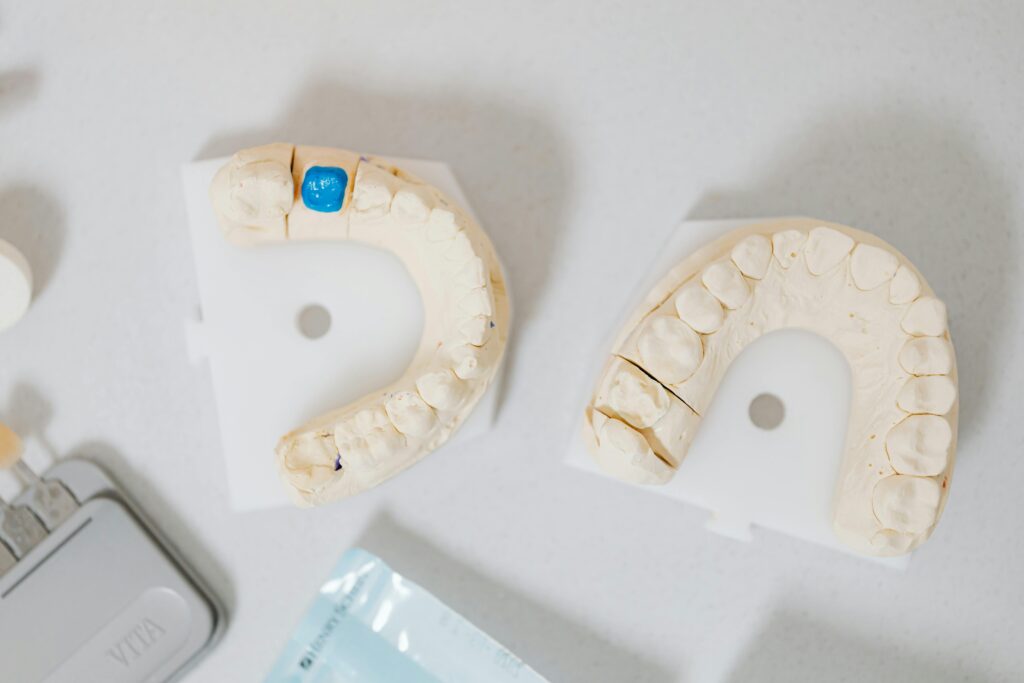
Getting dental crowns is one of those treatments that sounds straightforward until you are the person driving home with a numb cheek, a bite that feels slightly unfamiliar, and a dozen small questions you forgot to ask in the chair. Most patients do very well after crown placement, but the first week can still feel oddly eventful. Not dramatic, usually, just full of little sensations that make you wonder what is normal and what is not.
The short answer is that the first seven days are usually a settling-in period. Your tooth, your gum tissue, your bite, and even your chewing habits need a little time to adapt. Some people barely think about their new crown after the first evening. Others notice cold sensitivity, mild soreness when biting, or a sense that the tooth feels “high” for a few days. Both can be normal.
What matters is knowing the difference between expected adjustment and a sign that the crown needs attention. That distinction can save you from unnecessary worry, and it can also help you avoid waiting too long if something is off.
The first few hours feel stranger than the crown itself
For most patients, the most noticeable part of the day is not the crown. It is the anesthesia. If local anesthetic was used, your lips, tongue, cheek, or part of your face may stay numb for two to four hours, sometimes a bit longer depending on the type of anesthetic and your own metabolism. Adults usually manage this fine, but there is a practical issue people underestimate: accidentally biting the inside of the cheek or the lip.
That is why dentists often suggest waiting until the numbness wears off before eating anything substantial. If you do need to eat sooner, soft foods and small bites are safer. Yogurt, eggs, oatmeal, or soup that is warm rather than hot tend to be easy choices. Crunchy food is rarely a good idea that same afternoon, especially if the gum around the crowned tooth is tender.
If your appointment involved a lot of shaping, deep work near the nerve, or gum retraction to take an impression or seat the crown, it is common to have a mild bruised feeling around the tooth by the evening. Patients often describe it as “not pain exactly, just awareness.” That is a useful description. Healthy teeth do not usually call attention to themselves. A newly crowned tooth often does for a few days.
A new crown often feels different before it feels normal
One of the most common questions during the first week is whether the crown is supposed to feel bulky. Sometimes the answer is yes, but only temporarily. Your tongue is remarkably sensitive. It notices tiny changes in shape, contour, and texture, especially around the edges and along the chewing surface. A crown can be perfectly made and still feel prominent at first simply because your mouth memorized the old tooth anatomy.
This adjustment period is usually short. Many people stop noticing the crown within a few days. For some, especially if the crown is on a molar or if it changes the way the teeth meet, it can take a week or two for that foreign-body feeling to fade.
What should not be ignored is a crown that feels clearly too tall when you bite. That sensation is different from simple newness. If your teeth seem to hit that crown first, if you avoid chewing on that side because the bite feels off, or if the tooth gets more sore each day rather than less, the bite may need a small adjustment. These corrections are usually quick and can make a dramatic difference. A high crown does not tend to “wear in” the way patients hope. If it is genuinely interfering with your bite, waiting often just leaves the tooth and surrounding ligament irritated.
Soreness, sensitivity, and pressure are common, but they have patterns
The first week after getting dental crowns often includes one or more of the following: sensitivity to cold, tenderness at the gumline, mild discomfort when chewing, and an occasional brief zing if the tooth was already inflamed before treatment. None of that automatically means something is wrong.
Cold sensitivity is especially common if the crowned tooth still has a living nerve. The tooth was prepared with a dental drill, dried, bonded, and covered, all of which can temporarily irritate the pulp inside. That irritation is usually reversible. The tooth may react to cold drinks for a few days, sometimes a couple of weeks, and then gradually calm down. The key detail is the duration and intensity. A quick response that fades is usually far less concerning than a throbbing ache that lingers.
Pressure soreness is another familiar pattern. Under each tooth root is a ligament that acts like a tiny shock absorber. If the crown placement slightly changed the forces on that tooth, or if you spent an hour holding your mouth open while the tooth was worked on, that ligament can feel bruised. Biting into something firm, like crusty bread or nuts, may make the area more noticeable for several days.
Gum tenderness has its own logic. To place a crown accurately, the dentist often has to work close to the gumline. The tissue may be retracted slightly or exposed to temporary cement, water spray, suction, or flossing pressure. As a result, the gum around the crown can look a little puffy or red at first. In otherwise healthy mouths, that settles as the tissue heals and as plaque is kept away from the area.
Eating during the first week is mostly about judgment
Patients often ask for a strict food list, but recovery is less about memorizing rules and more about reading your own comfort level. The first day calls for restraint. Soft, non-sticky foods make life easier, and chewing on the opposite side is often sensible if the area feels tender.
By the second or third day, many people can return to fairly normal eating, with a few exceptions. Very hard foods can be uncomfortable on a newly crowned tooth, not because the crown is fragile in a dramatic sense, but because the tooth and ligament underneath may still be sensitive. Sticky foods can also be annoying, especially if you had a temporary crown recently and are still mentally cautious about anything gummy or chewy.
There is also a material issue that sometimes matters. Porcelain and ceramic crowns are strong, but they are not invincible. Biting ice, cracking nutshells, or using teeth as tools is risky whether the tooth is crowned or not. The first week is simply a poor time to test the limits.
One detail patients appreciate hearing plainly is this: if you naturally clench or grind, the crown may feel sore not because the crown failed, but because your bite muscles and tooth ligament are loading it heavily at night. I have seen patients convinced their crown was defective when the real issue was nighttime grinding. They would wake with jaw tension, a tender tooth, and no obvious daytime problem. In those cases, the story usually becomes clearer after a few mornings.
Daily care matters more than people expect
A new crown does not need special products in most cases, but it does need consistent hygiene. The crown itself cannot decay, but the tooth structure underneath and around it can. The margin where the crown meets the natural tooth is the critical zone. Plaque left there can inflame the gum and, over time, lead to recurrent decay at the edge.
Some patients get nervous about brushing near a fresh crown because the area is sore. That hesitation is understandable, but avoiding the area usually backfires. Gentle cleaning helps the tissue recover. If the gum is tender, use a soft brush and a light hand rather than skipping the area.
Flossing also matters, though it should be done carefully if the gum is irritated. Slide the floss through, clean the side of the tooth, and ease it out without snapping it hard against the gum. If a final crown is properly cemented, normal flossing should not dislodge it. That said, if you feel the floss catches under the contact or frays repeatedly at the same spot, mention it. That can signal a rough margin or a contact issue worth checking.
Here is a simple care routine that suits most patients during the first week:
- Brush twice a day with a soft-bristled toothbrush, paying gentle attention to the gumline around the crown.
- Floss once a day, easing the floss in and out rather than jerking it through a sore contact.
- Choose softer foods for the first day or two if chewing feels tender.
- Use any dentist-recommended pain relief exactly as directed, especially on the first evening if soreness is expected.
- Keep the area clean even if it feels sensitive, because plaque makes post-treatment gum irritation last longer.
That routine is not glamorous, but it solves most of the little problems that turn a routine recovery into a frustrating one.
Temporary crown memories can make the permanent one seem suspicious
A lot of confusion in the first week comes from patients carrying over what they learned with a temporary crown. Temporary crowns are a different experience. They can feel rougher, look less polished, and come Dental Crowns with real restrictions because they are held in place with temporary cement and are meant to be removed.
Permanent dental crowns are more secure, more refined in shape, and stronger than temporaries, but patients sometimes continue eating, flossing, and speaking as if the crown might pop off at any second. That caution is understandable, particularly if the temporary gave them trouble. I have met many people who had a temporary come loose on a bagel or a sticky granola bar, and they never quite forgot it.
With a permanent crown, the better question is not “Will it fall off if I chew?” but “Does it function comfortably and cleanly?” If it does, confidence usually returns quickly. If it does not, the issue is more often bite, contact, sensitivity, or gum adaptation than retention.
Bite changes are small in measurement, big in effect
A crown can be off by a tiny amount and still feel huge to the patient. That is because your chewing system is sensitive to very small discrepancies. A high spot that measures only fractions of a millimeter can create a chain reaction: the crowned tooth hits first, the ligament gets irritated, the jaw subtly shifts, the chewing muscles tighten, and by day three the patient says, “It just doesn’t feel right.”
This is one of the most important realities of the first week. Do not assume you are being fussy if the bite feels off. Patients sometimes apologize for calling, then return after a quick bite adjustment saying it was an instant relief. Dentists would generally rather check a crown early than have you spend ten days avoiding one side of your mouth and inflaming the tooth further.
There is nuance here, though. Right after placement, your numbness may distort how the bite feels. Even later that same day, the tooth can feel unusual just because the surrounding tissues are irritated. That is why some practices advise patients to give it a short settling period unless the interference is obvious. A reasonable approach is to notice the pattern. If each meal makes you more confident the crown is hitting too soon, that is worth reporting.
Not every sharp sensation means the nerve is in trouble
Patients are often most anxious about sensitivity because it raises the specter of root canal treatment. Sometimes a tooth that receives a crown does eventually need root canal therapy, but not every sensitive tooth is heading there. Many crowned teeth calm down uneventfully.
The context matters. A tooth that had a very deep cavity, a cracked cusp, repeated previous fillings, or longstanding irritation before the crown is more likely to remain temperamental afterward. In those cases, the crown may have been the right treatment, but the nerve was already on edge. The first week does not always tell the whole story. Some teeth settle slowly.
What tends to concern dentists more is pain that is spontaneous, escalating, or lingering. If the tooth throbs on its own, wakes you at night, reacts intensely to heat, or aches for a long time after a cold stimulus is gone, those are more meaningful warning signs than brief sensitivity to chilled water. The distinction is not always obvious to patients, which is why clear communication matters.
A few things can look wrong and still be normal
It can be surprisingly reassuring to know what does not necessarily spell trouble. A faint white line where the gum was retracted, mild bleeding the first time you floss near the crown, or tenderness when biting directly on the tooth in the first couple of days can all happen in a normal recovery. So can a subtle difference in how your bite sounds, especially with ceramic surfaces.
The crown may also feel smoother than the neighboring teeth. That is not your imagination. Glazed ceramic and polished restorative materials often do feel slicker to the tongue than natural enamel that has years of tiny wear patterns.
Occasionally, patients notice sensitivity in the opposing tooth rather than the crowned one. This can happen if your chewing pattern changes for a few days or if you are testing the bite repeatedly. Teeth are part of a system. One restoration can make the entire system more noticeable for a short time.
When it makes sense to call the dentist
Most first-week concerns are easy to sort out with a quick phone call, and many offices would rather hear from you early than have you guess. This is especially true if symptoms are not following the usual path of gradual improvement.
Contact the office promptly if you notice any of the following:
- Your bite feels clearly uneven, or that tooth hits first every time you close.
- Pain is increasing after the first couple of days instead of easing.
- The crown feels loose, shifts, or you can see a gap at the edge.
- Sensitivity is severe, lingers for a long time, or is triggered by heat.
- You develop swelling, a bad taste that persists, or signs of infection.
Those problems do not always indicate a major complication. Often they point to a small adjustment, cement issue, or follow-up evaluation. Still, they deserve attention.
The role of habits you may not realize you have
The first week often reveals habits that were already affecting your teeth before the crown was placed. Clenching is a big one. So is chewing only on one side, gripping pens with the front teeth, snacking on hard foods, or crunching ice without thinking. A crown does not create those habits, but it can make their effects more obvious.
If your crown is on a back tooth and you catch yourself testing it repeatedly by tapping your teeth together, stop if you can. Many patients do this unconsciously, almost as if they are checking whether the crown still exists. That constant checking can keep the area irritated and make the bite feel stranger than it really is. The same is true of poking it with the tongue all day. Harmless in theory, aggravating in practice.
Mouth breathing and dry mouth can also make the first week feel rougher. Tissues heal better when saliva is doing its job. If your mouth tends to be dry from medications, nighttime breathing patterns, or heavy caffeine use, the gums around a new crown may stay irritated longer. Something as simple as regular water intake can help.
What most people feel by day seven
By the end of the first week, many patients are substantially more comfortable than they were on day one. The numbness is long gone, the gum tenderness is fading, and the crown is starting to feel like part of the tooth rather than a foreign object. If the bite was correct from the start, chewing usually becomes more natural over those days.
There can still be exceptions. A front crown may continue to feel visually unfamiliar even after it feels physically fine. A molar crown placed on a tooth with a deep prior history may stay mildly temperature-sensitive for longer. A patient who grinds heavily may need more than a week before everything feels settled, especially if a bite guard is part of the long-term plan but has not been addressed yet.
The important pattern is direction. Improvement does not have to be perfectly linear, but it should generally move toward comfort, confidence, and normal function. If your experience is moving in the opposite direction, that is your cue to check in.
The bigger picture behind the first week
Dental crowns are designed to restore strength, shape, and function to teeth that can no longer do those jobs reliably on their own. The first week is not the final verdict on the crown. It is a short adaptation phase in which your mouth is learning the new contours and your dentist is watching for any fine-tuning that real life reveals better than a dental chair can.
That is why a small amount of patience and a small amount of vigilance are the right combination. Be patient with normal soreness, temporary sensitivity, and the odd feeling of chewing on something new. Be vigilant about an uneven bite, worsening pain, persistent heat sensitivity, or any sign that the crown is not seating or functioning properly.
Most crowns settle in quietly. A few ask for a minor adjustment. Very few become true emergencies in that first week. Knowing that can make the entire experience less stressful. You do not need to monitor every sensation, but you also do not need to tough it out if something clearly feels wrong. The best recoveries usually come from that middle ground: informed, calm, and willing to speak up when the pattern does not look right.
Omni Dental Specialty
1690 E Gonzales Rd, Oxnard, CA 93036, United States
+1 805-410-9603
FAQ About Dental Crowns
How long do crowns last on teeth?
A dental crown often lasts about five to fifteen years, although some last longer. Material, the underlying tooth, oral hygiene and grinding habits affect longevity. Regular dental examinations help identify wear, decay or a loose crown; no lifespan is guaranteed.
How much does a tooth crown cost?
There is no single price for every crown. Material, laboratory work, the condition of the tooth and any additional treatment affect the fee. Ask for a written estimate and confirm your insurance benefits, exclusions and out-of-pocket costs before treatment.
What is the downside of crowns on teeth?
A conventional crown usually requires irreversible removal of some tooth structure. Possible problems include sensitivity, chipping, loosening and decay at the crown margin; some teeth later need root canal treatment. Discuss your tooth's condition, material choices and suitable alternatives with your dentist.
❧